
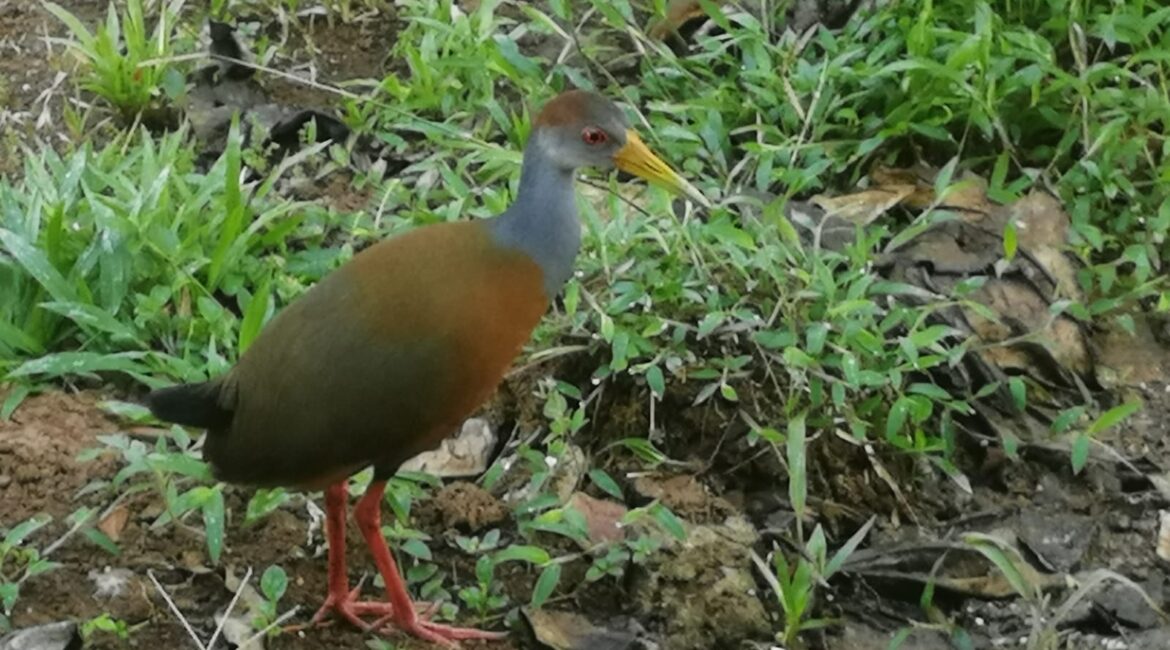
Feathered Wonders: 10 Essential Bird Watching Tips in Puerto Viejo de Sarapiquí

Costa Rica’s Hidden Avian Paradise
Nestled in Costa Rica’s lush Caribbean lowlands, Puerto Viejo de Sarapiquí is a birding Eden. With rainforests teeming with toucans, hummingbirds, and rare species like the Great Green Macaw, it’s a must-visit for bird lovers. But to make the most of your adventure, a little local know-how goes a long way. Here are 10 tried-and-true tips to transform your birding trip:
10 Bird Watching Tips for Sarapiquí
- Rise with the Roosters
- Why? Birds are most active at dawn. Aim for 5:30–6:00 AM starts to catch toucans feeding and parrots flocking.
- Hotspot: La Selva Biological Station opens early—book a guided walk!
- Pack Smart Gear
- Essentials: Waterproof binoculars (8×42), a lightweight rain jacket, and insect repellent.
- Pro Tip: Use a phone adapter on your binoculars for quick digiscoping shots.
- Hire a Local Guide
- Local guides (like those from the Sarapiquí Conservation Learning Center) know hidden trails and bird calls. Expect to spot 50+ species in 3 hours!
- Listen More Than You Look
- Sarapiquí’s dense foliage means sound is key. Download the Merlin Bird ID app to ID calls of the Chestnut-mandibled Toucan or Montezuma Oropendola.
- Visit Lesser-Known Reserves
- Skip crowded spots. Try Tirimbina Rainforest Center or Selva Verde Lodge—quieter trails mean more intimate encounters.
- Patience Pays at Fruit Feeders
- Hang near banana or papaya feeders at lodges (e.g., Casa Río Sarapiquí Inn). Green Honeycreepers and Collared Aracaris visit like clockwork!
- Respect the “Slow Birding” Ethos
- Sit quietly for 15+ minutes in one spot. You’ll spot shy understory birds like the Ocellated Antbird.
- Water = Bird Magnets
- Canoe the Sarapiquí River at dusk. Herons, kingfishers, and Sungrebes hunt along riverbanks.
- Dress Like a Forest
- Wear muted greens/browns. Avoid bright colors or white—they startle birds.
- Keep a Field Journal
- Sketch sightings, note behaviors, or log sounds. It deepens the experience beyond photos.
FAQ: Birding in Sarapiquí
Q: When’s the best time to visit?
A: December–April (dry season) for easy trails and migrant species. May–November (green season) offers fewer crowds and nesting activity.
Q: Are trails beginner-friendly?
A: Yes! Flat, well-marked paths dominate. La Selva even has wheelchair-accessible trails.
Q: What rare birds might I see?
A: Watch for:
- Great Green Macaw (endangered)
- Violet-crowned Woodnymph (iridescent hummingbird)
- Ornate Hawk-Eagle
Q: Is it safe to explore solo?
A: Stick to marked reserves. For remote areas (e.g., Braulio Carrillo National Park), hire a guide—they navigate wildlife safely.
Q: How do I support conservation?
A: Book eco-lodges (like Posada Andrea Cristina), donate to the Macaw Recovery Network, or join a citizen-science bird count.
Final Thought
Puerto Viejo de Sarapiquí isn’t just about checking species off a list—it’s about immersion in a living, breathing ecosystem. Pack curiosity, tread lightly, and let the jungle’s symphony guide you. As locals say:
“El que madruga, Dios le ayuda.”
(The early bird gets the worm… or in this case, the quetzal!)